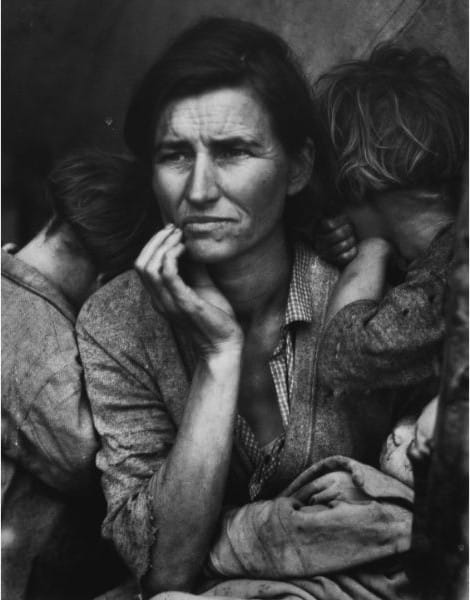
25.05.2023 – 07.01.2024
Andreas Gursky
Visual Spaces of Today
Curated by Urs Stahel and Andreas Gursky
- Opening hours
- Tuesday–Sunday, 10 am – 7 pm
- Where
- MAST.Photogalleries, Via Speranza 42, Bologna
- Works
- Forty pictures, from 1989 to 2022
- Status
- Exhibition closed on 7 January 2024Now on until 7 January 2024Coming soon, from 25 May 2023
FreeFree admission
The exhibition
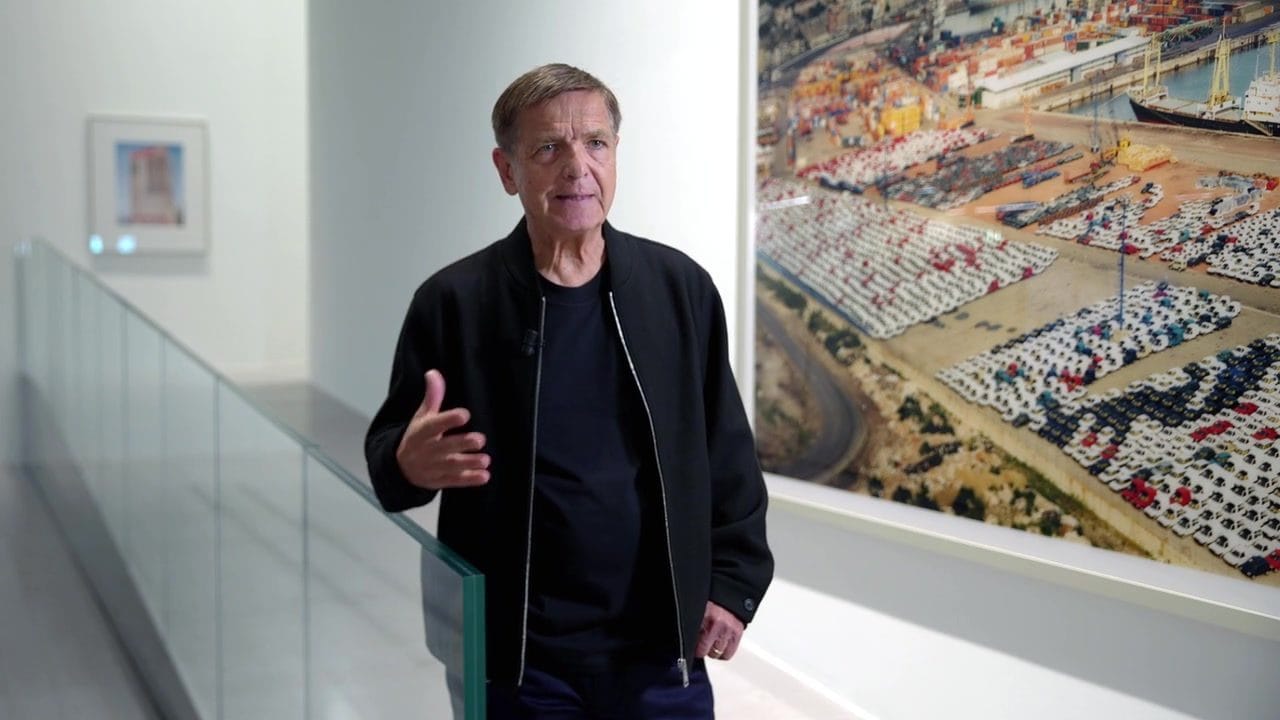
Andreas Gursky’s first major retrospective in Italy: forty pictures spanning more than forty years of work, selected by Urs Stahel together with the artist, who lives and works in Düsseldorf.
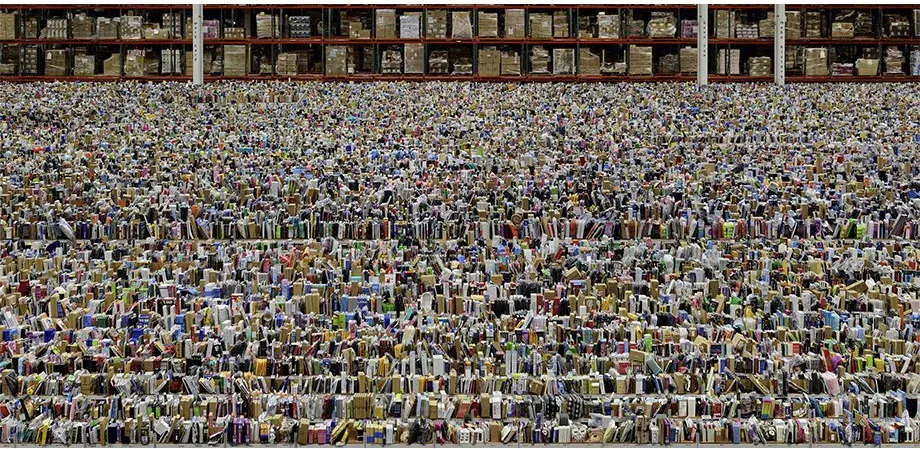
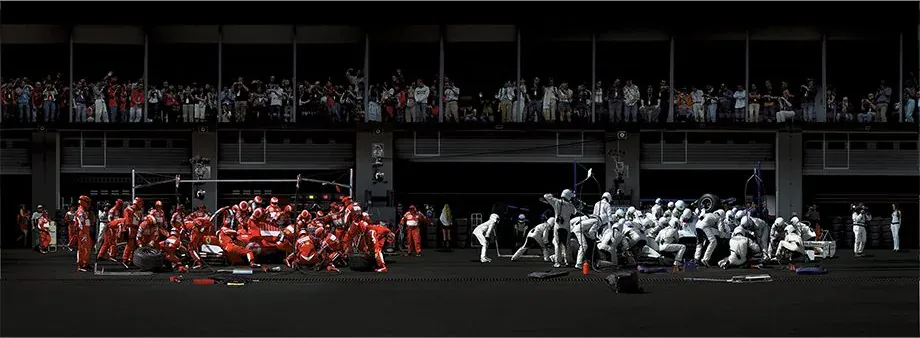
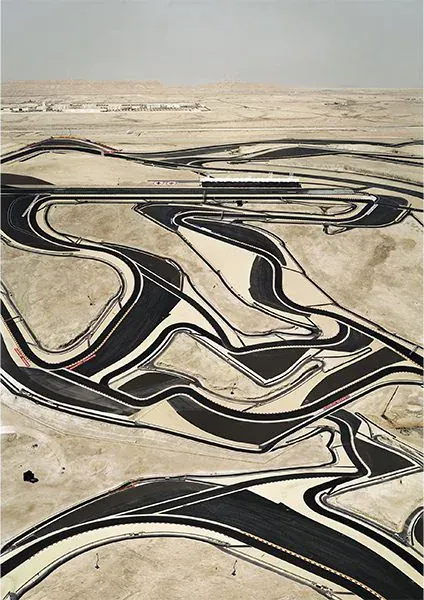
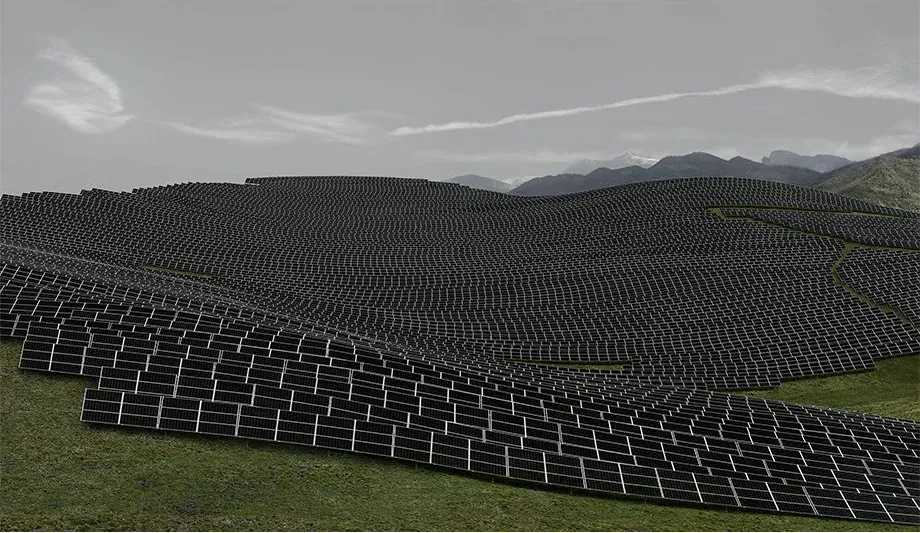
Production sites, distribution centres, temples of consumption, transport hubs, places of energy and food production, seats of the finance industry: Gursky’s photographs open new ways of looking at work, the economy and globalisation, dissecting the present without losing sight of the whole.
Gursky’s name has been associated, especially in the 1990s, with large-format photography. His pictures helped establish photography as art and as a collectable for museums and private collectors alike.
From Krefeld to Hong Kong
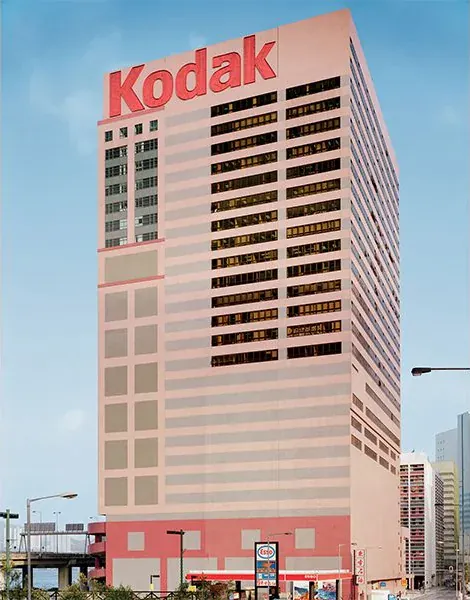
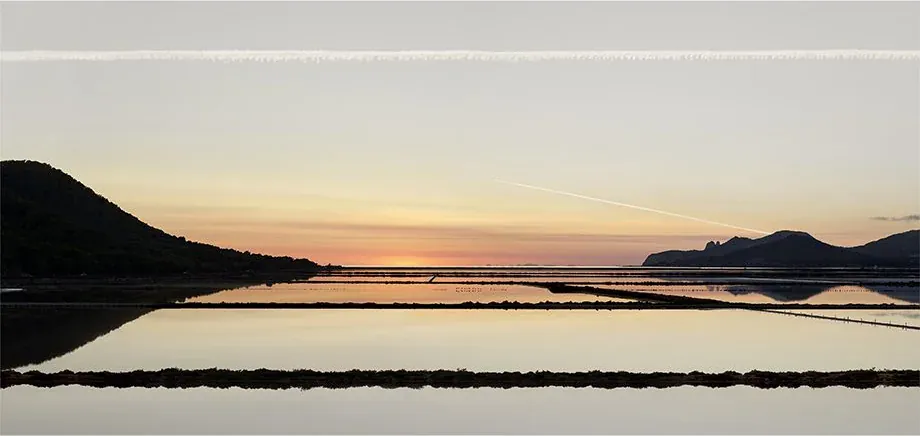
The show ran from early works to the most recent, from Salerno to Hong Kong, from the tourist industry of Rimini to the age-old production processes of the salt pans.
- 1989
Krefeld, Hühner, among the earliest works
- 1990
Salerno
- 2003
Rimini, the tourism industry
- 2020
Hong Kong
- 2021
Salinas, an age-old way of producing
- 2022
V&R II and V&R III, the most recent works
Works on show
Tours and schools
- Guided tours
Free with booking, Tuesday to Sunday at 11 am, 3 pm and 5 pm: an hour and a half, in Italian, up to 15 people.
Extra tours on Wednesdays at 7.30 pm, with entry to MAST reserved for those who had signed up.
- For schools
From 9 October to 22 December 2023, Tuesday to Friday, 10 am – 12 noon: a visit to the technology Gallery and the exhibition, then a workshop on how human action reshapes natural and artificial spaces.
A journey into images (primary): printed landscapes to analyse, enrich and transform with questions and interpretations.
Maps of other landscapes (lower secondary): a graphic reworking, with different materials, of the landscapes Gursky photographed.
Details for new landscapes (upper secondary): Gursky calls himself a “sculptor of images”: groups rework his pictures on an iPad with a photo-editing app.
Catalogue
Published for the tenth anniversary of Fondazione MAST and the centenary of G.D, with a foreword by the President, Isabella Seràgnoli, and an essay by Urs Stahel.