07.05 – 19.09.2021
Richard Mosse
Displaced
Migration, conflict, climate change · curated by Urs Stahel
- Where
- MAST.Gallery, MAST.Foyer and level 0, Via Speranza 42, Bologna
- Status
- Exhibition closed on 19 September 2021Now on until 19 September 2021Coming soon, from 7 May 2021
FreeFree admission
The exhibition
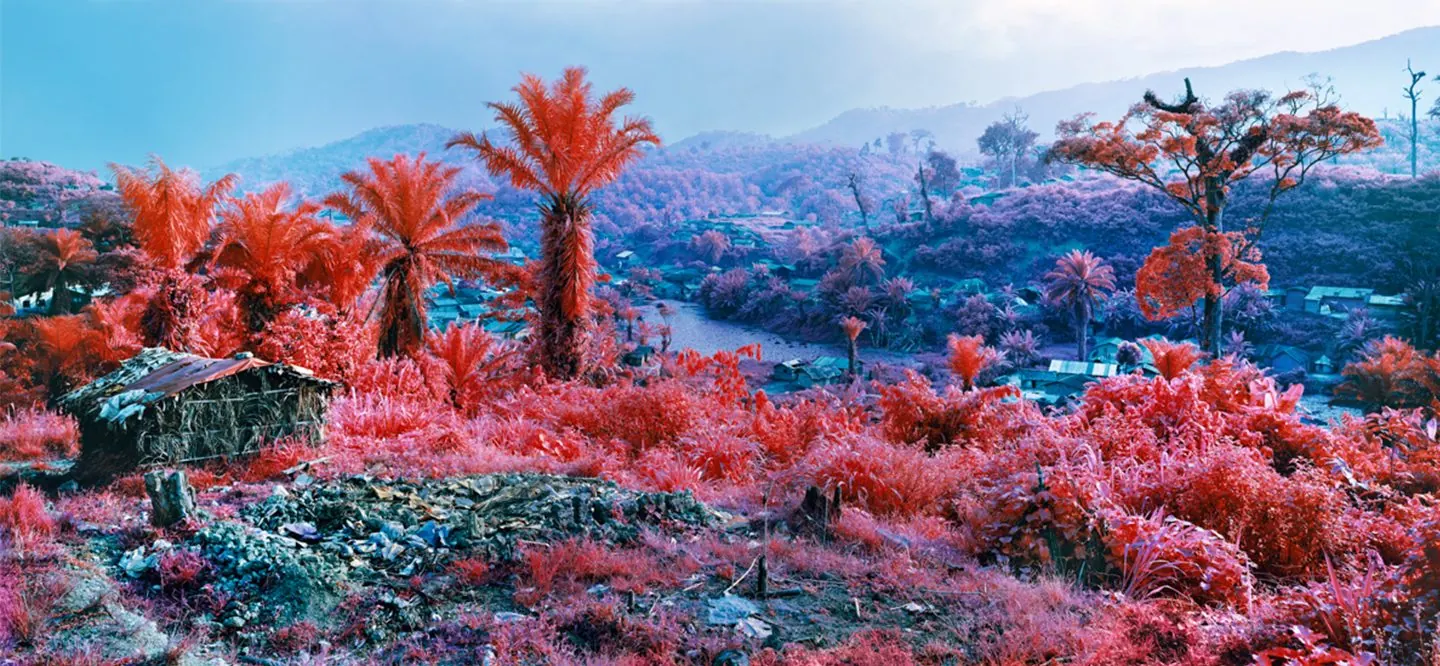
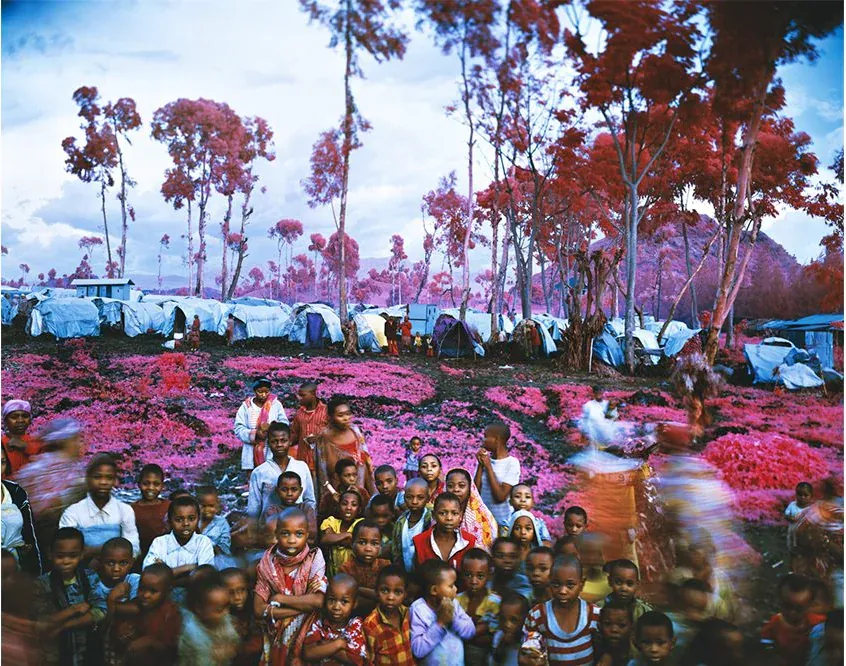
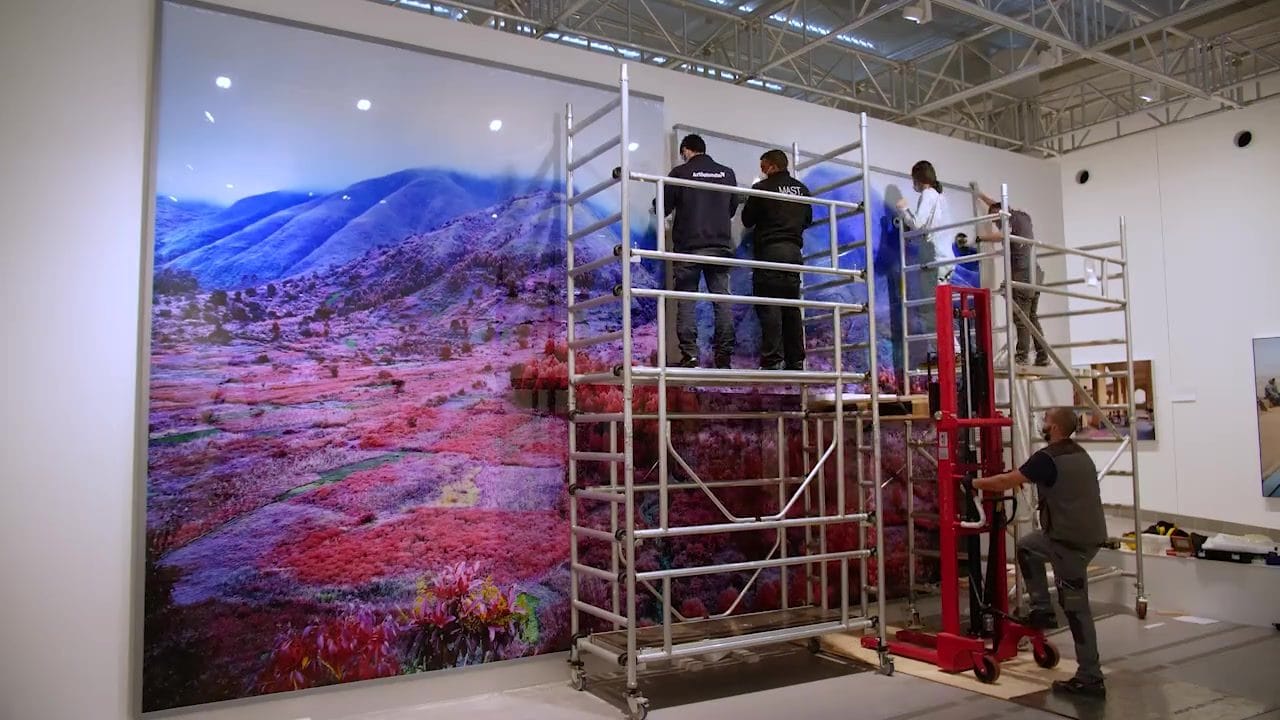
The first retrospective of the Irish artist Richard Mosse: crisis situations and places of conflict photographed and filmed with military-derived technology that overturns photographic representation.
The result is pictures that are striking to look at and at the same time raise an ethical question. When beauty, which Mosse calls “the sharpest tool to make people feel something”, is used to tell of suffering and tragedy, “an ethical problem arises in the viewer’s mind”: viewers are left confused, struck and disoriented.
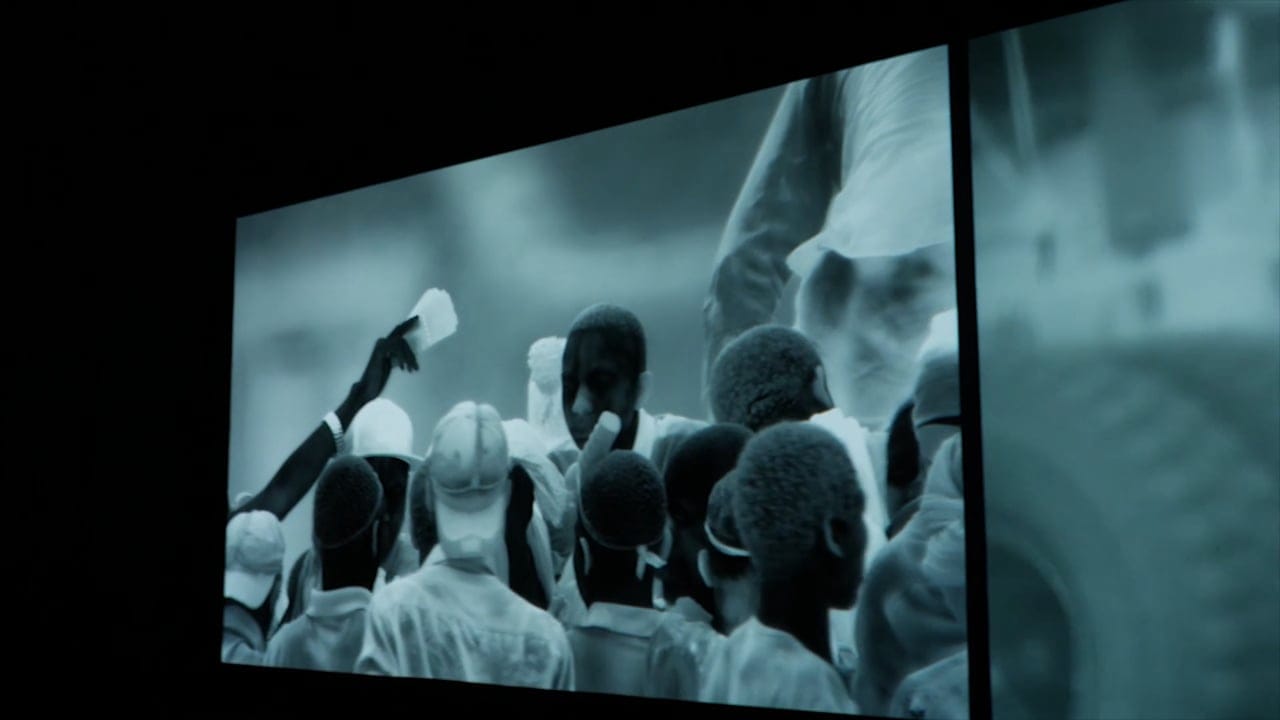
Large-format photographs and videos, with a powerful sound design, made visible what usually is not: conflict, migration, climate change.
Three spaces
- MAST.Gallery
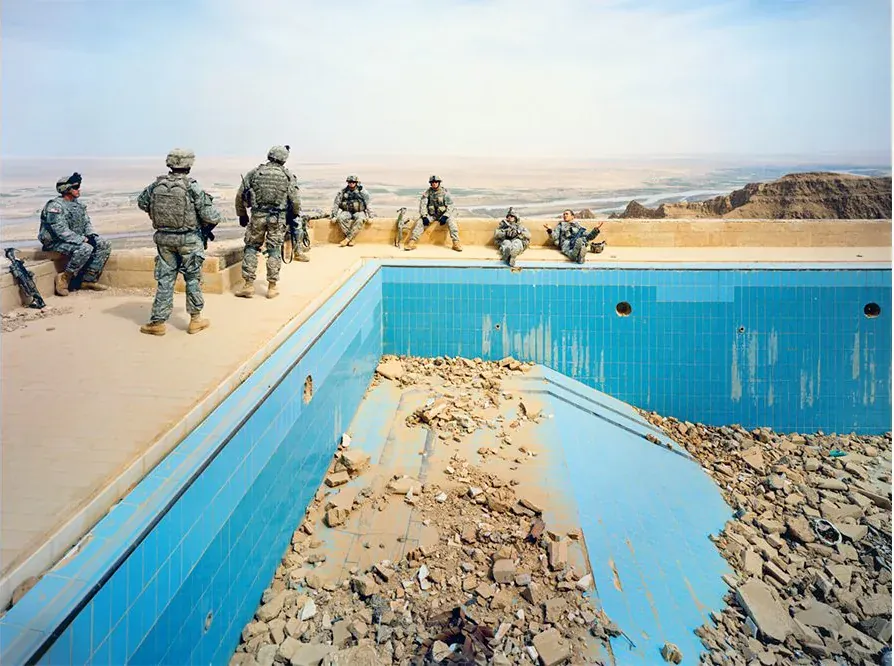
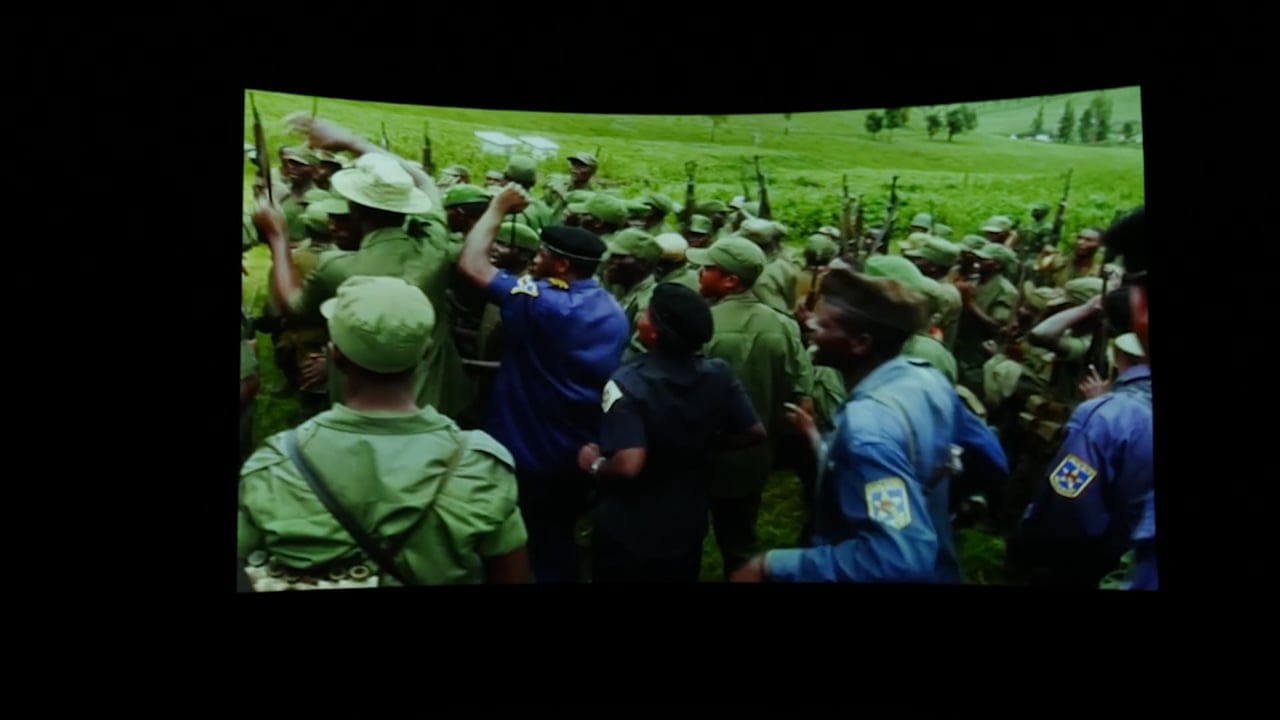
Early Works, Infra Early works from his student years, made in places marked by conflict: the Middle East, Eastern Europe, the border between Mexico and the United States. And Infra, the series that made Mosse famous: the wars in the Democratic Republic of Congo photographed on Kodak Aerochrome, a discontinued infrared film used for military reconnaissance.
- MAST.Foyer
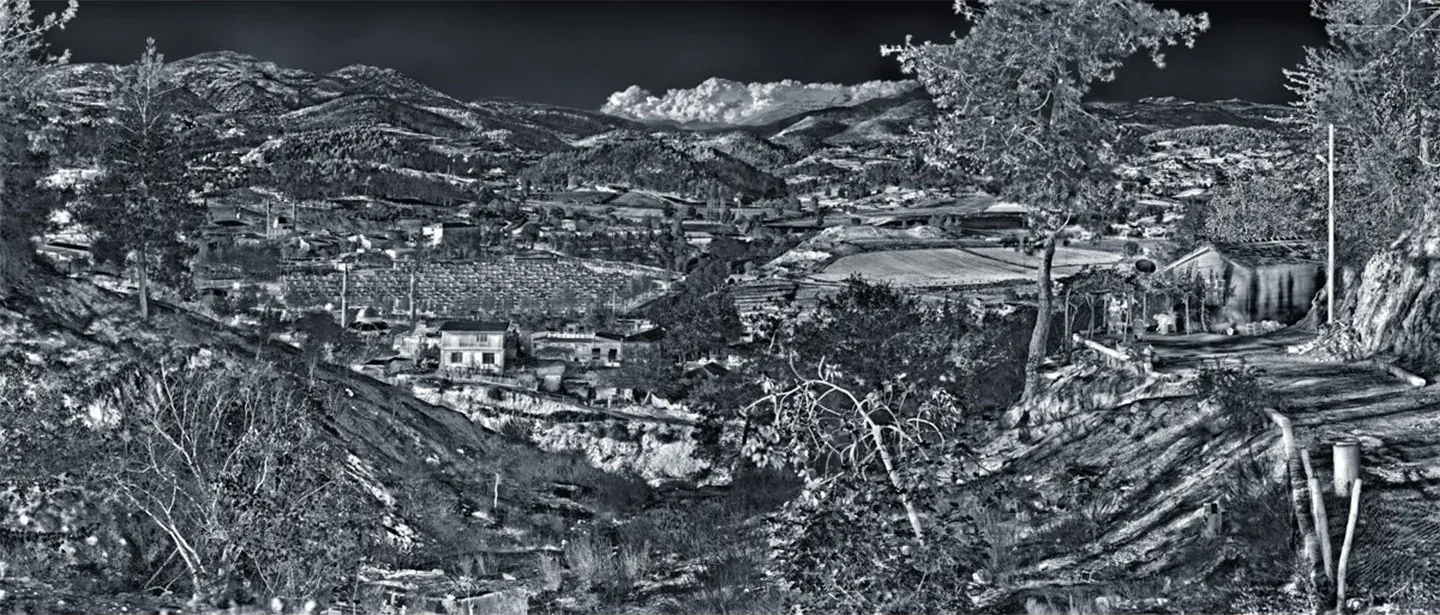
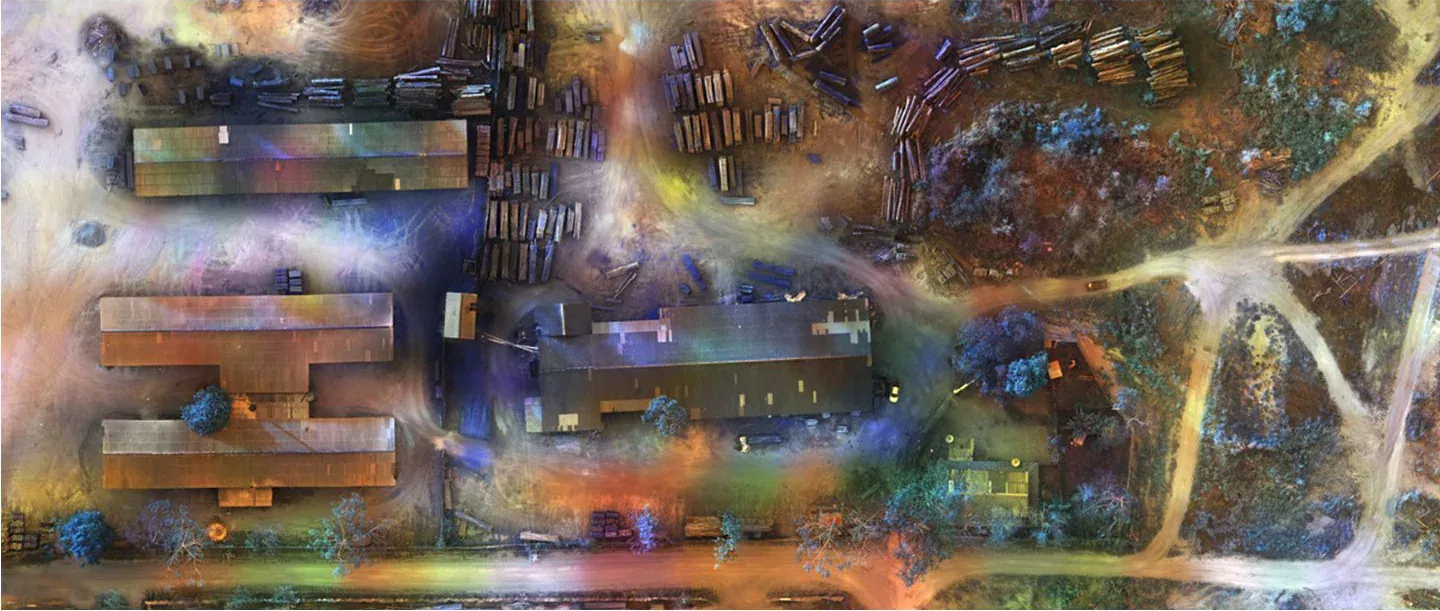
Heat Maps, Ultra, Tristes Tropiques Heat Maps: migration routes from the Middle East and Africa to Europe, shot with a military thermal camera that detects temperature differences up to thirty kilometres away. The 16 videos of Moria (Grid) (12’) showed life in the refugee camp on Lesbos. Ultra: the Amazon rainforest under UV fluorescence. Tristes Tropiques: deforestation in Brazil, shot by drones on multispectral film.
- Level 0
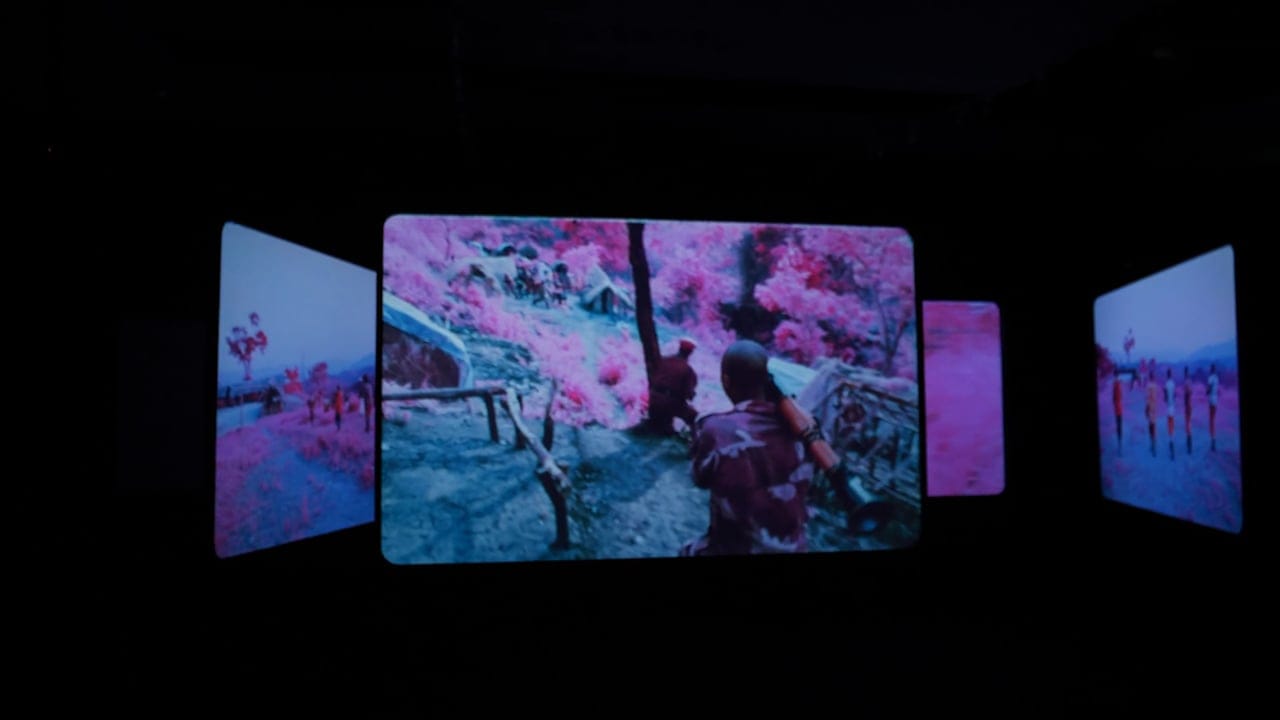
The Enclave, Incoming, Quick The video installation The Enclave (40’), shot on Aerochrome film, and the projection Incoming (52’), filmed with a military thermal camera: both made with cinematographer Trevor Tweeten and composer Ben Frost. The video Quick (13’) traced Mosse’s artistic path.
The artist
Richard Mosse was born in Kilkenny, Ireland, in 1980; he lives and works in New York. He studied English literature at King’s College London (2001), cultural studies at the London Consortium (2003), and fine art at Goldsmiths (2005) and at the Yale School of Art, where he completed his Master of Fine Art in 2008. His first works, from his student years, are set in the Middle East, Eastern Europe and on the border between the United States and Mexico.
Between 2010 and 2015 he worked through the wars in the Democratic Republic of Congo, producing Infra and The Enclave. Between 2014 and 2018 he followed the migration routes to Europe with Heat Maps and Incoming. From 2018 to 2020 he worked in the Amazon rainforest: Ultra celebrates its fragile beauty, Tristes Tropiques documents its deforestation.
Works
Catalogue
From his first photographs in Iraq, on the US–Mexico border and in Eastern Europe to his latest images from the Amazon rainforest. Edited by Urs Stahel, with his essay and texts by Michael J. Kavanagh, a correspondent in Congo and Central Africa since 2004; Christian Viveros-Fauné, chief curator of the University of South Florida Contemporary Art Museum; and Ivo Quaranta, professor of cultural anthropology at the University of Bologna.