23.04 – 27.09.2026
Bernd & Hilla Becher
History of a Method
Curated by Gabriele Conrath-Scholl, Max Becher and Urs Stahel
- Opening hours
- Tuesday–Sunday, 10 am – 7 pm
- Where
- MAST.Galleries and MAST.Foyer, Via Speranza 42, Bologna
- In the galleries
- Gallery mediators always available, free of charge
- Status
- Exhibition closed on 27 September 2026Now on until 27 September 2026Coming soon, from 23 April 2026
FreeFree admission
The exhibition
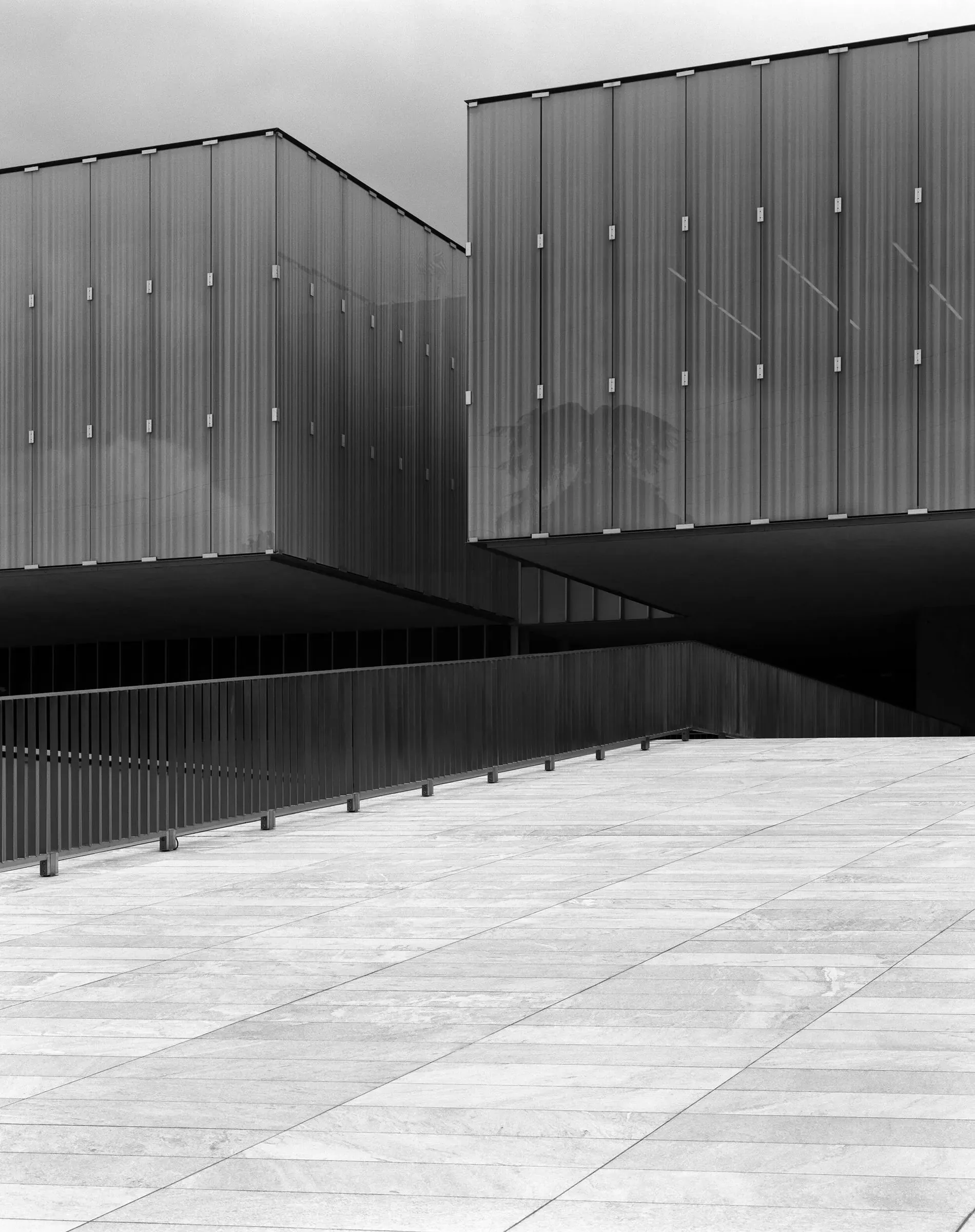
A major retrospective of the German artist couple, central figures in the history of twentieth-century photography, showing for the first time in Europe the full richness and thematic range of their work.
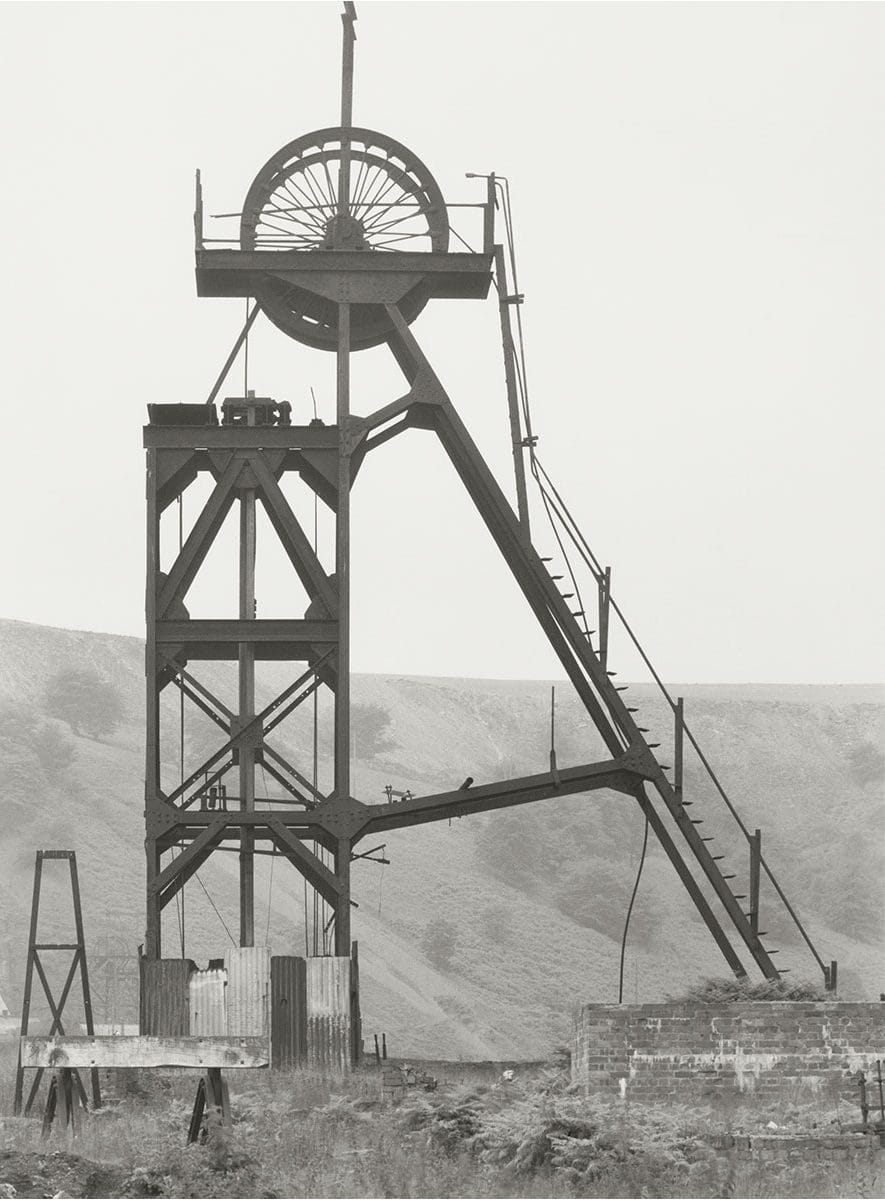
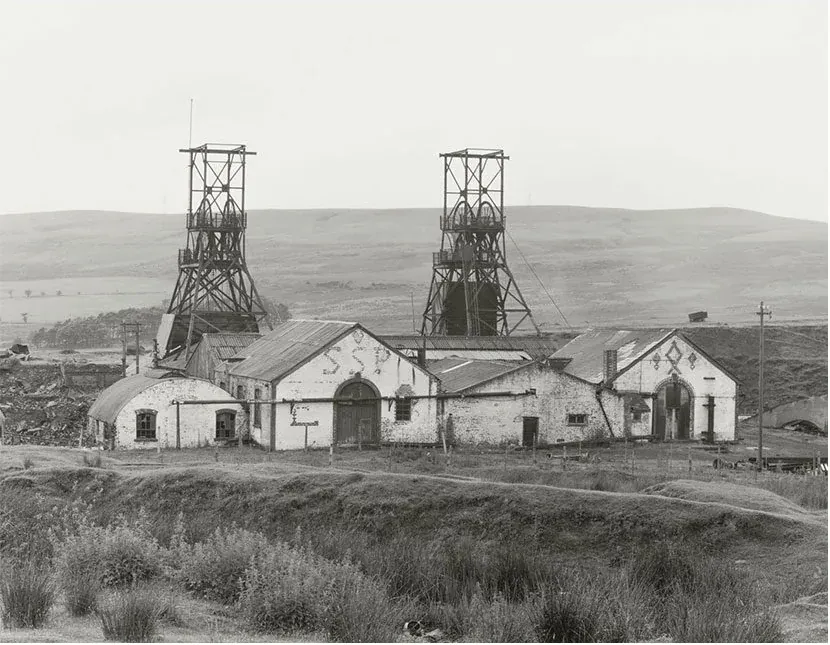
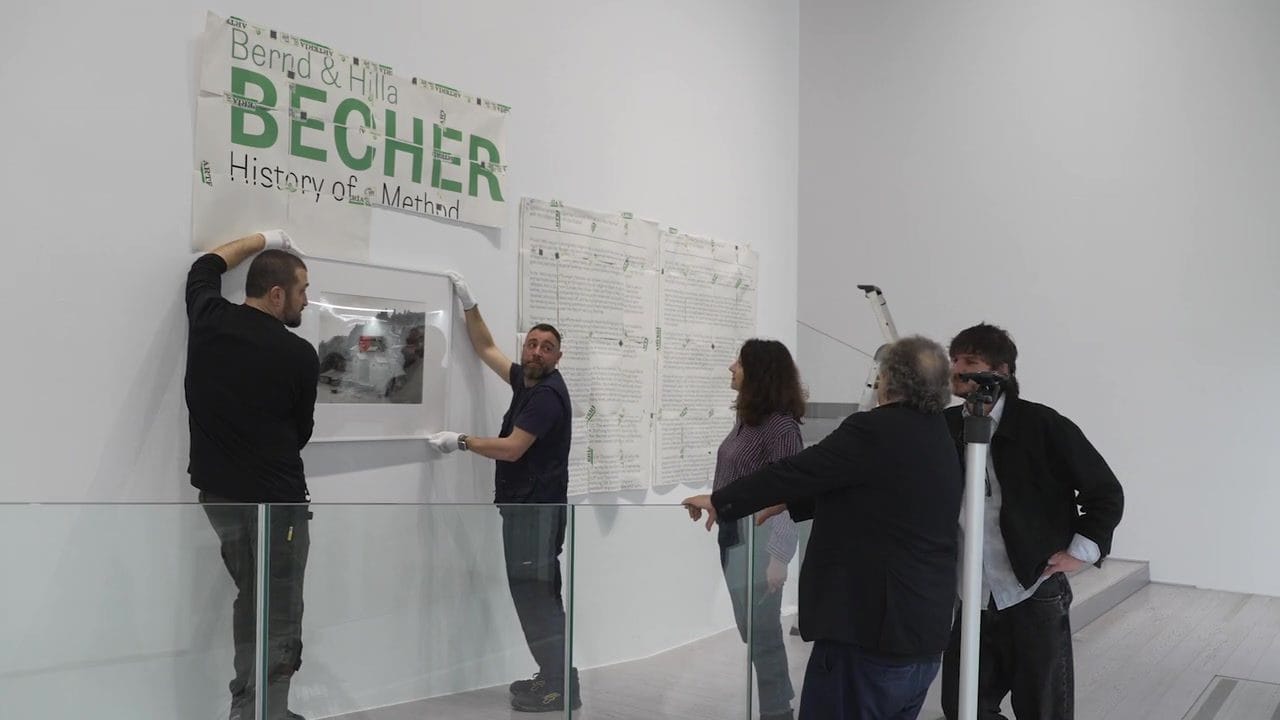
Through a visual language founded on rigorous, systematic method, the Bechers exerted an influence that is still recognisable in contemporary photography. The MAST.Galleries showed over 350 original black-and-white photographs, alongside drawings, books and posters that convey the complexity and coherence of their working method, in ten sections.
The exhibition was conceived by Die Photographische Sammlung/SK Stiftung Kultur, Cologne, in cooperation with the Bernd & Hilla Becher Studio, and organised by Fondazione MAST with a new exhibition design developed jointly by the two institutions.
In dialogue with the exhibition, the MAST.Foyer hosted the Düsseldorf School of Photography, with works by Andreas Gursky, Thomas Struth, Thomas Ruff and Tata Ronkholz from the MAST Collection.
The exhibition layout
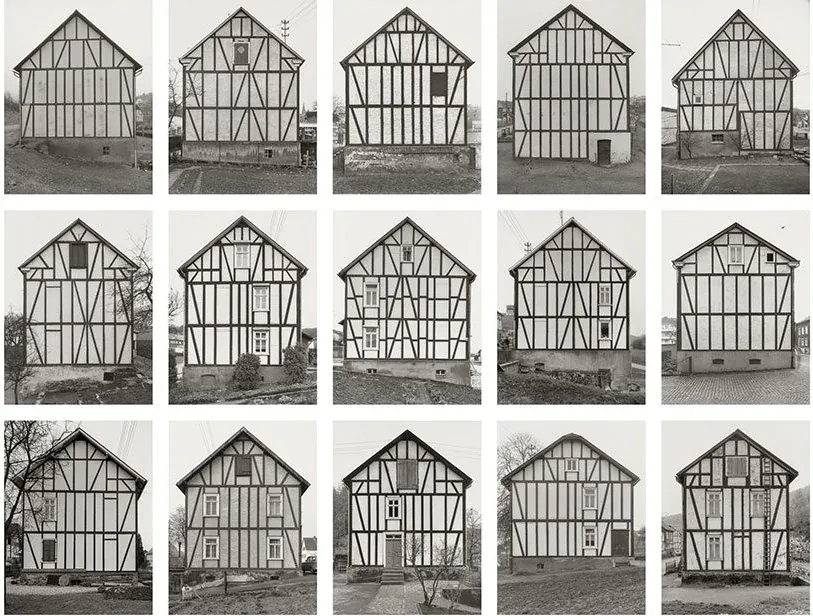
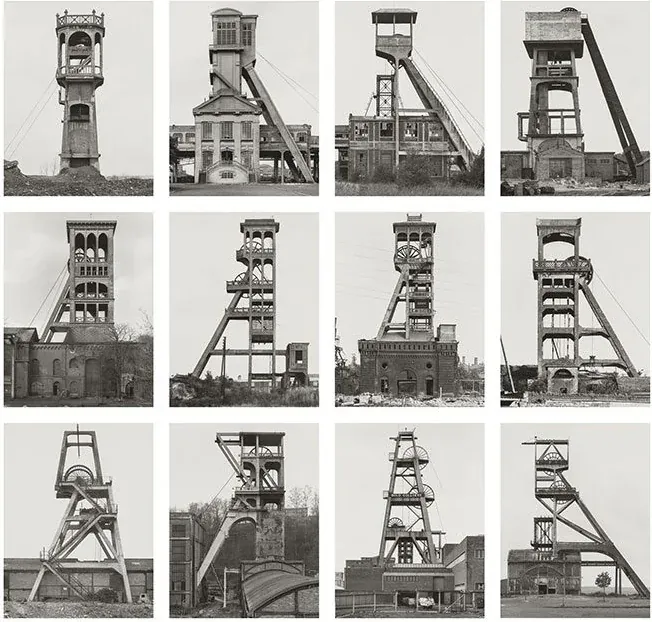
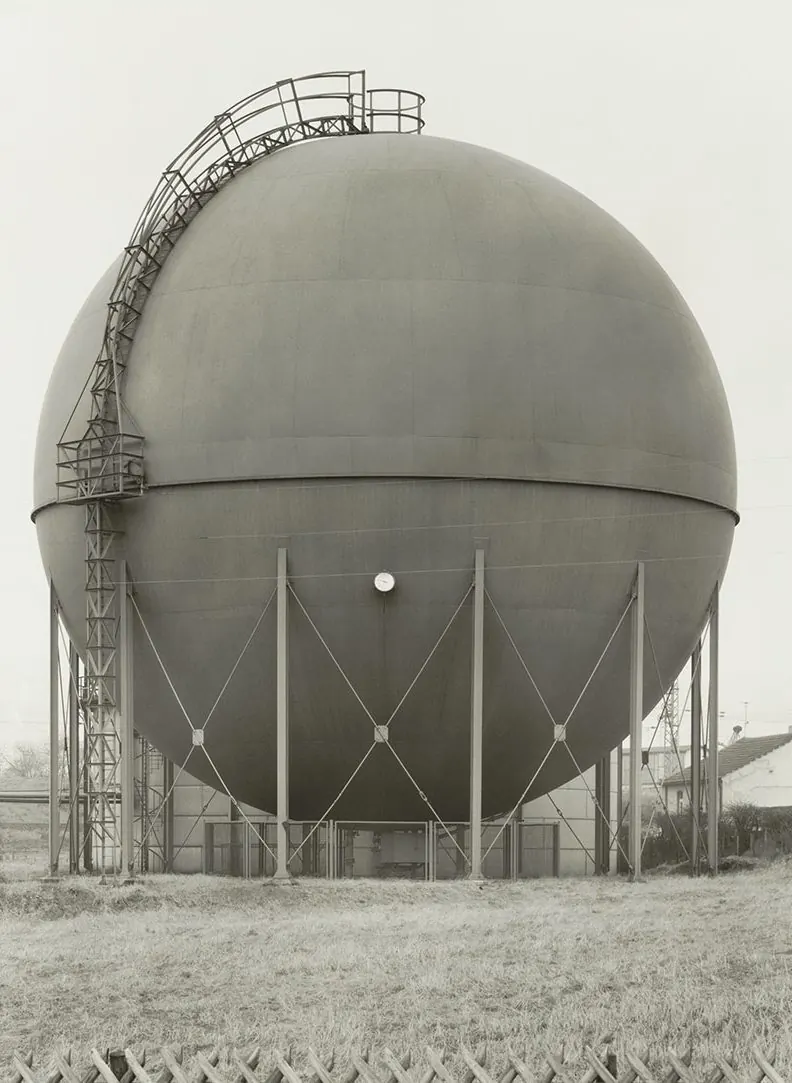
Around 1960, as industrial photography declined, Bernd (1931–2007) and Hilla Becher (1934–2015) began their series based on typologies, shown in blocks or grids of images. Ten sections: seven on their themes and methods, three on their early work and publishing.
MAST.Gallery 1
Industrial landscapes
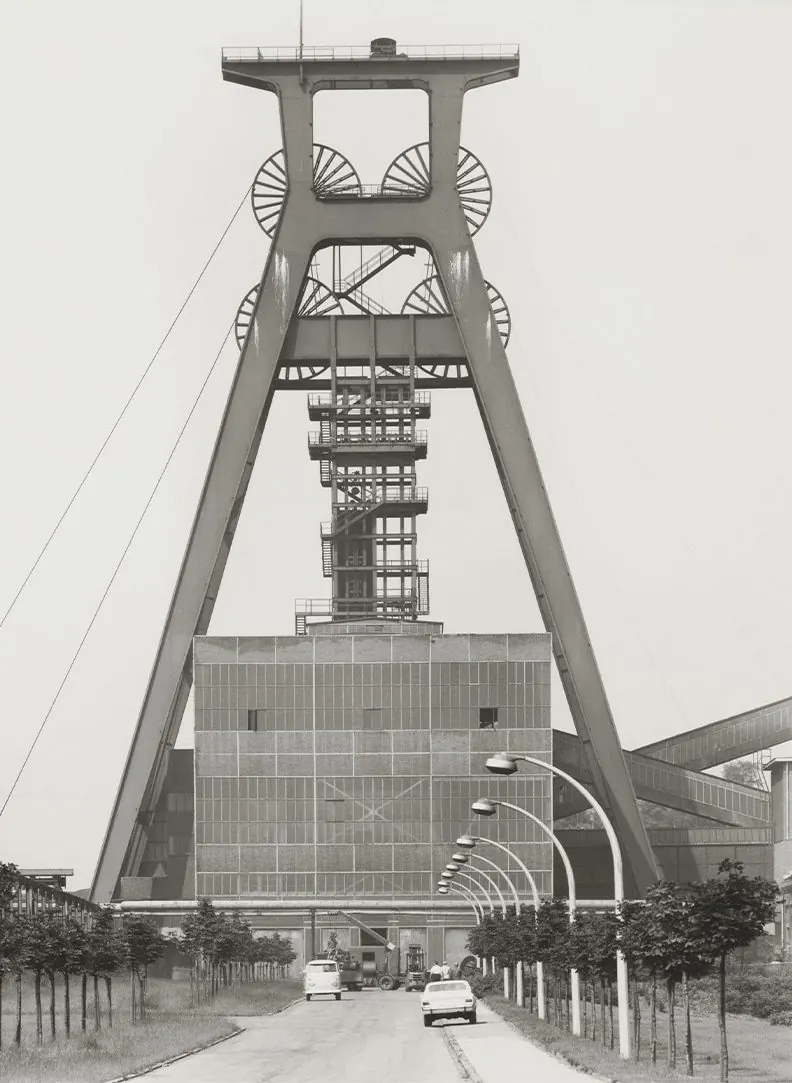
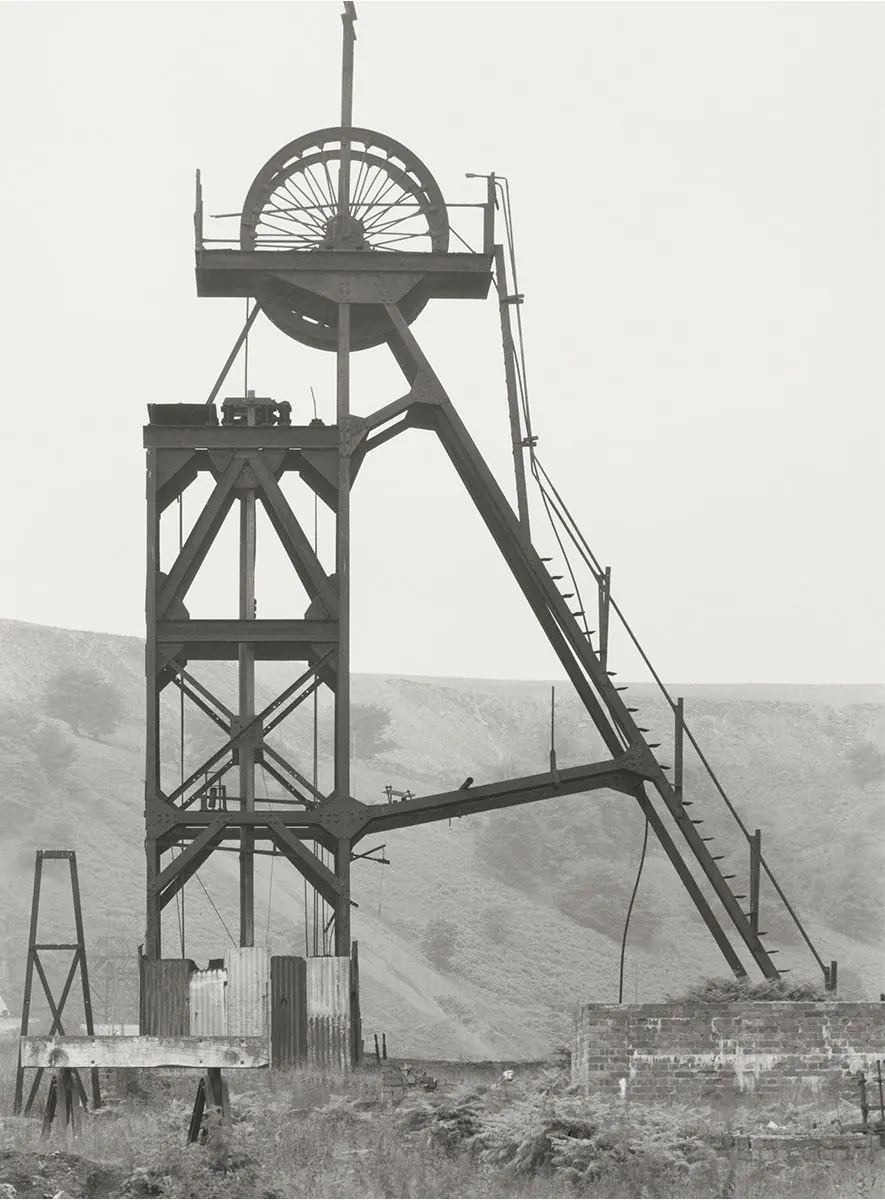
The opening section: views of functional buildings and industrial structures, blast furnaces, lime kilns, mines and gravel pits, photographed between 1962 and 1999 in several countries.
Industrial plants: the Ewald Fortsetzung mine
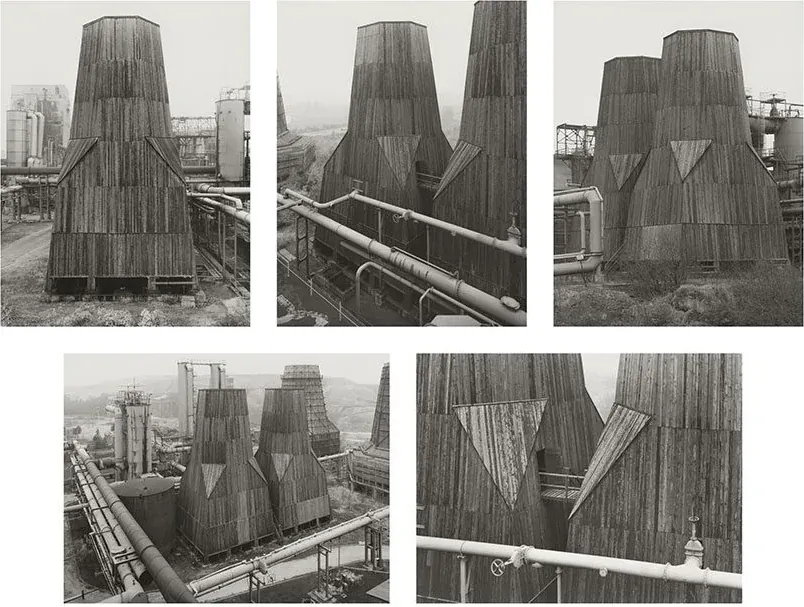
The coal mine in Recklinghausen, in the Ruhr, photographed between 1982 and 1985: a panoramic view in several groups of images, from wide landscapes to close details.
One object: different viewpoints, unfoldings
The same subject photographed from different viewpoints and at comparable distances, so that its structure can be observed in full.
Typologies
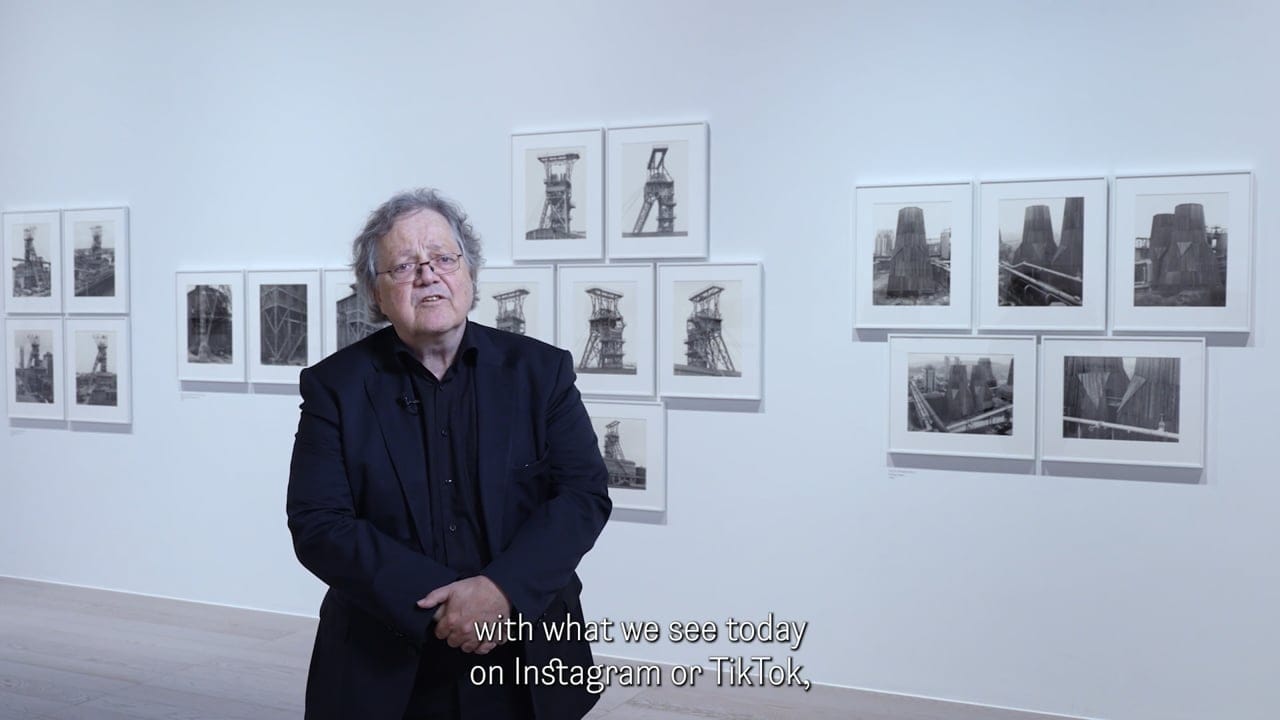
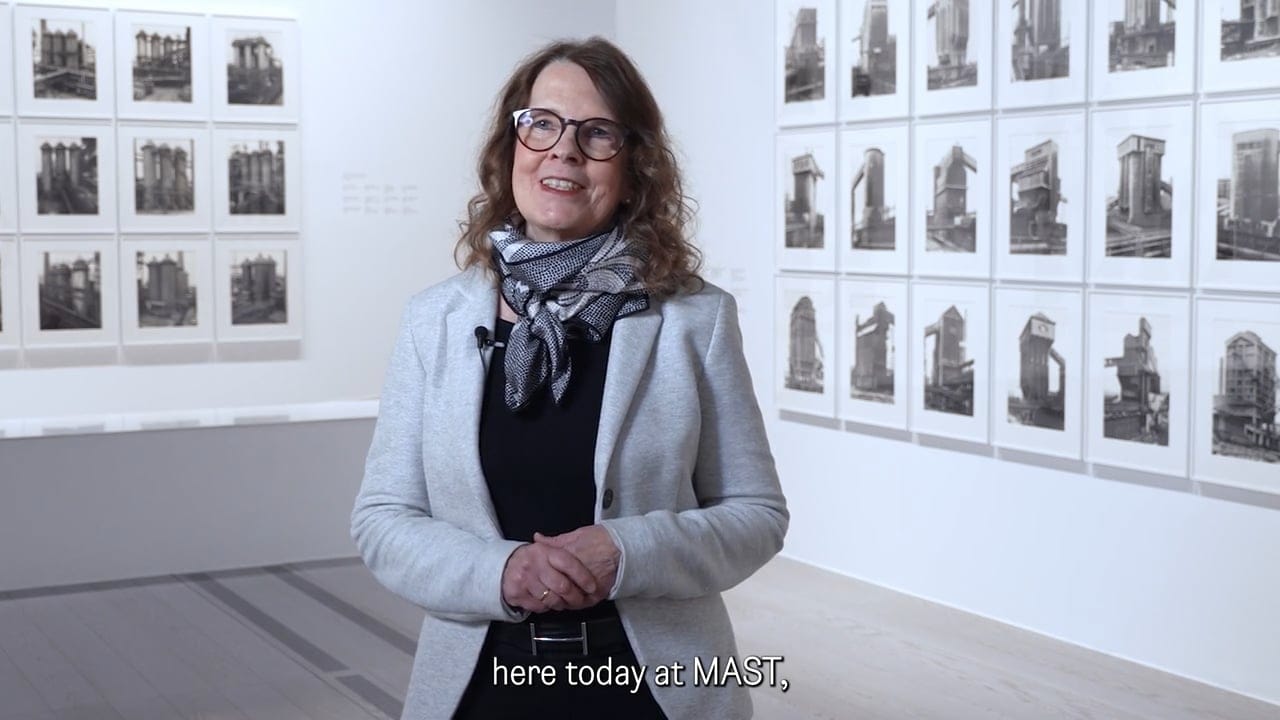
Grids of nine to twenty-four photographs: the result of a comparative analysis of the forms of industrial buildings, from the 1960s to the early 2000s. Among them, the twenty-four-part typology of coal bunkers, shown in posthumous archival prints.
Houses
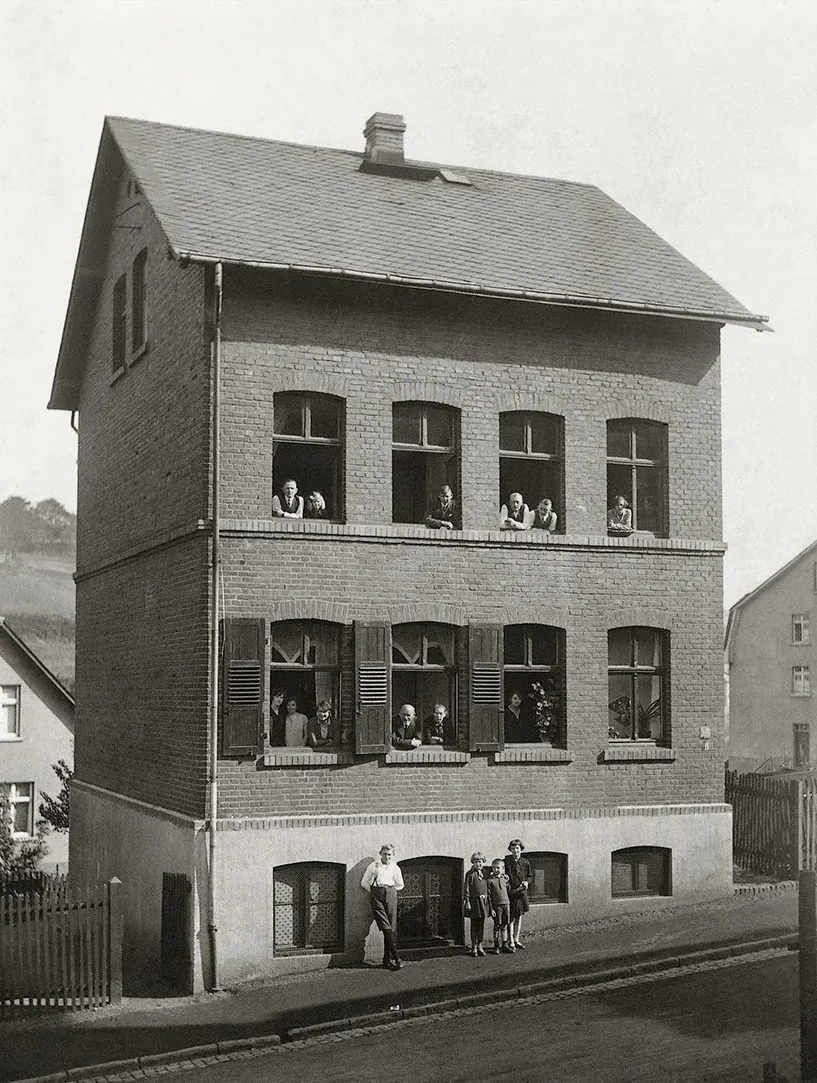
From 1968 the Bechers extended their research to the houses of industrial workers and clerks, above all the housing blocks of the Ruhr and the Rhineland near coal mines and steelworks.
Half-timbered houses
The same half-timbered house in Birlenbach in three forms: a single frontal image, a sequence of eight photographs and a fifteen-part typology.
MAST.Gallery 0
Anonymous sculptures
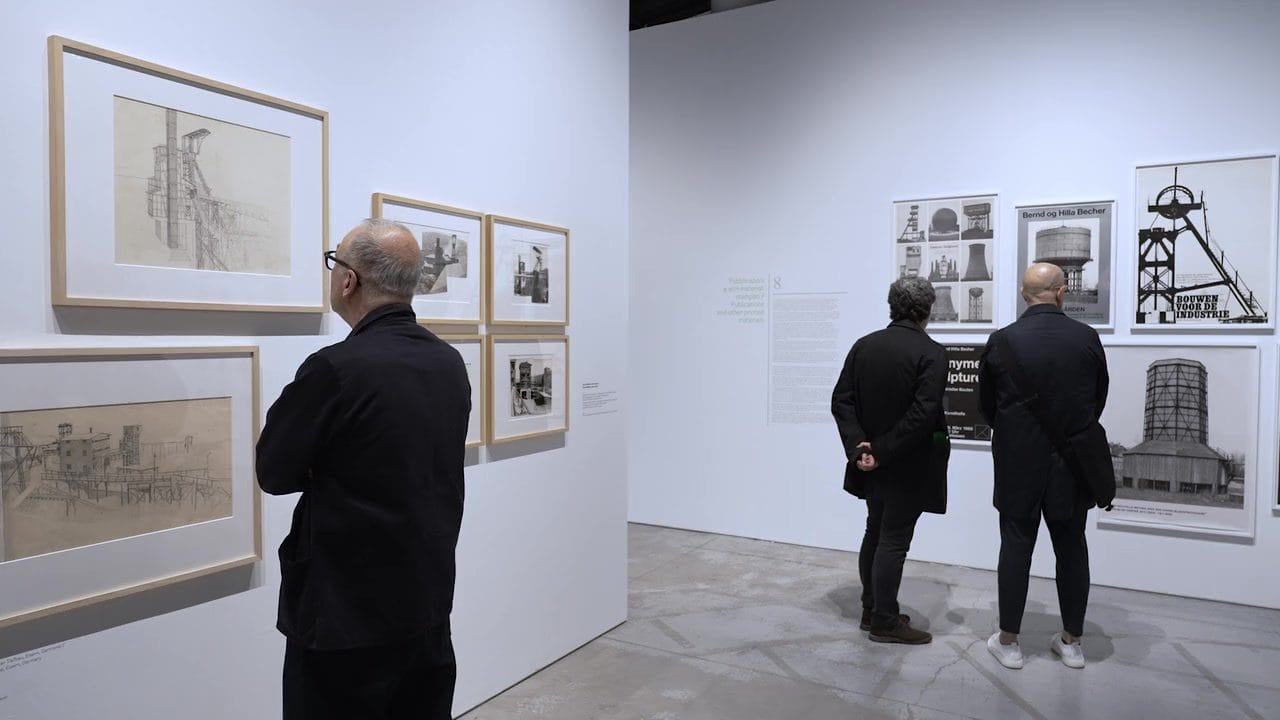
Over forty original photographs and texts from 1970 from the book Anonyme Skulpturen. Eine Typologie technischer Bauten, which grew out of the 1969 exhibition at the Kunsthalle Düsseldorf.
Bernd Becher: early works
Drawings and early photographs by Bernd Becher, trained as a decorative painter and graphic artist, up to his turn to photography after travelling in Italy and Spain and meeting Hilla Wobeser.
Hilla Becher: early works
Hilla Becher’s training, from photography studies in Potsdam to the Düsseldorf Academy of Fine Arts, where she set up its first photography workshop.
Publications and printed matter
Monographs and printed material: from 1977 the Bechers worked with Schirmer/Mosel, producing twenty publications together.
Works
Related events
The talk series Formare lo sguardo. L’eredità di Bernd e Hilla Becher tra Accademia e Fotografia (Shaping the gaze: the Bechers’ legacy between academy and photography), a talk and the Sguardi maestri tours.
Upcoming events
Past
 6.30 pmTalkGianfranco Maraniello. Bernd & Hilla Becher at Museo MorandiIn conversation with Lorenzo Sassoli de BianchiMAST.AuditoriumTodayFree
In 2009, for the Bechers’ exhibition at Museo Morandi in Bologna, Hilla Becher reflected on her relationship with Giorgio Morandi’s work. Starting from there, Gianfranco Maraniello, who produced that exhibition as director of Istituzione Bologna Musei, revisits the Bechers’ work and its “happy untimeliness”.
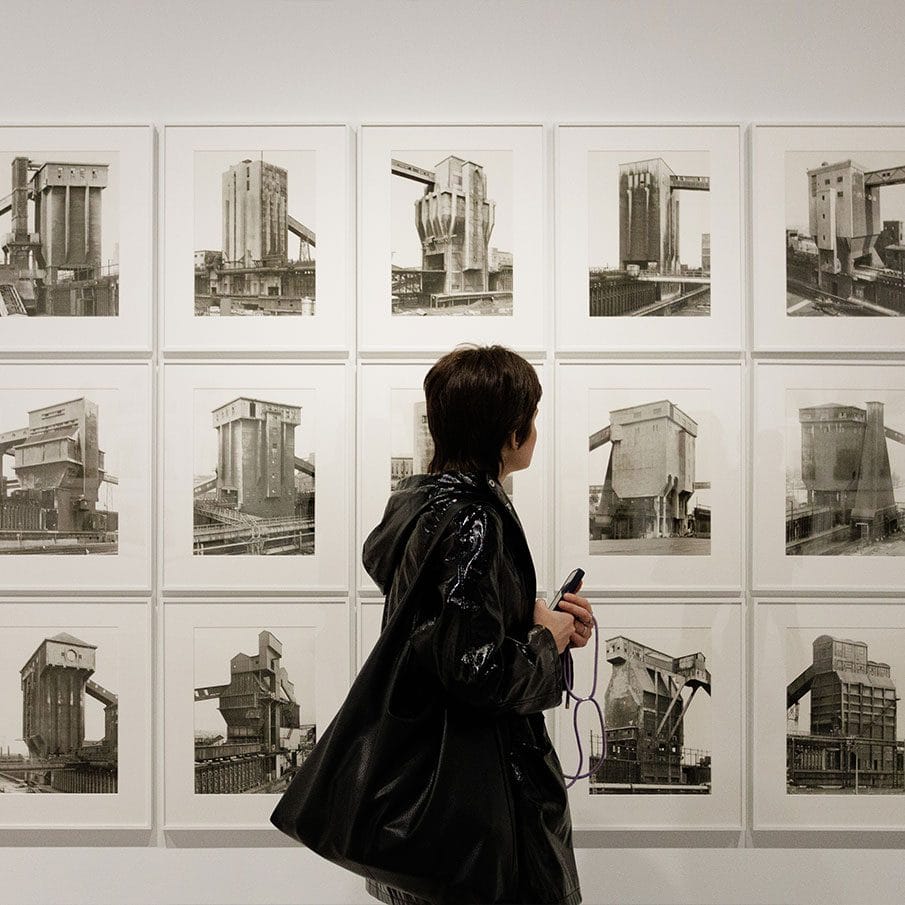 5 pmTour with a masterSguardi maestri: Massimo BartoliniArtistMAST.GalleriesTodayFree
Professionals shaped by the Bechers’ teaching guide visitors through the exhibition from new perspectives. Massimo Bartolini lives and works in Cecina, teaches at the Accademia di Belle Arti in Bologna and showed Due qui / To Hear at the Italian Pavilion of the 2024 Venice Biennale.
 6.30 pmTalk · Formare lo sguardoClément LambeletIn conversation with Francesco ZanotMAST.AuditoriumTodayFree
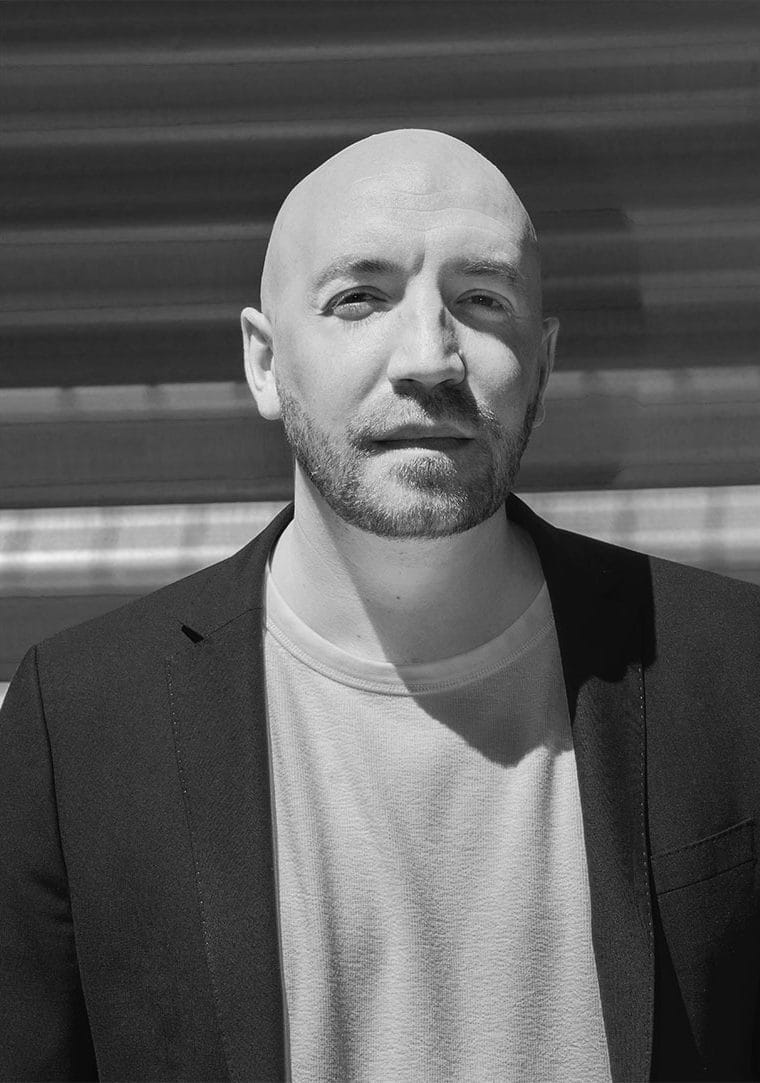
How has photography education changed? Clément Lambelet, head of the Master in Photography at ECAL in Lausanne, discusses it with Francesco Zanot: from Bernd and Hilla Becher’s teaching legacy to the questions raised by artificial intelligence.
 6.30 pmTalk · Formare lo sguardoThomas StruthIn conversation with Urs Stahel and Michele SmargiassiMAST.AuditoriumTodayFree
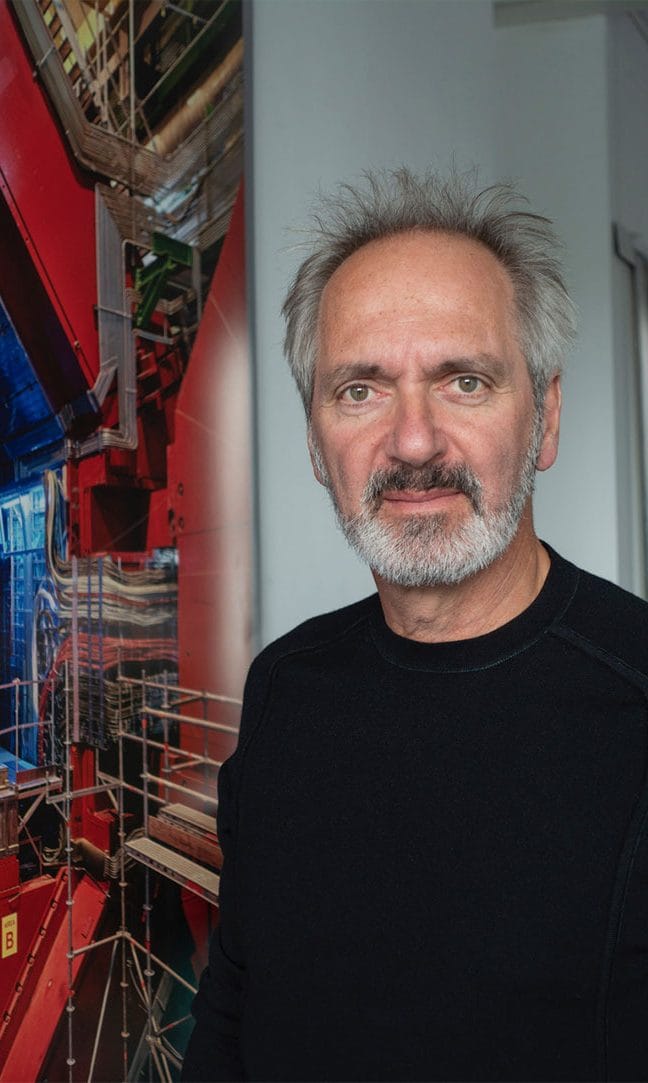
Thomas Struth, one of the leading figures of the Düsseldorf School and a student of Bernd and Hilla Becher, reflects on the legacy of their teaching in his own work and presents the research he has developed since Nature & Politics, his 2019 exhibition at MAST.
 6.30 pmTalk · Formare lo sguardoArmin LinkeIn conversation with Francesco ZanotMAST.AuditoriumTodayFree
What role do academies play today in training photographers? Armin Linke, artist and professor at the Academy of Fine Arts in Munich, looks back on his experience as author and teacher and shows how photography can become a method of research and of producing knowledge.
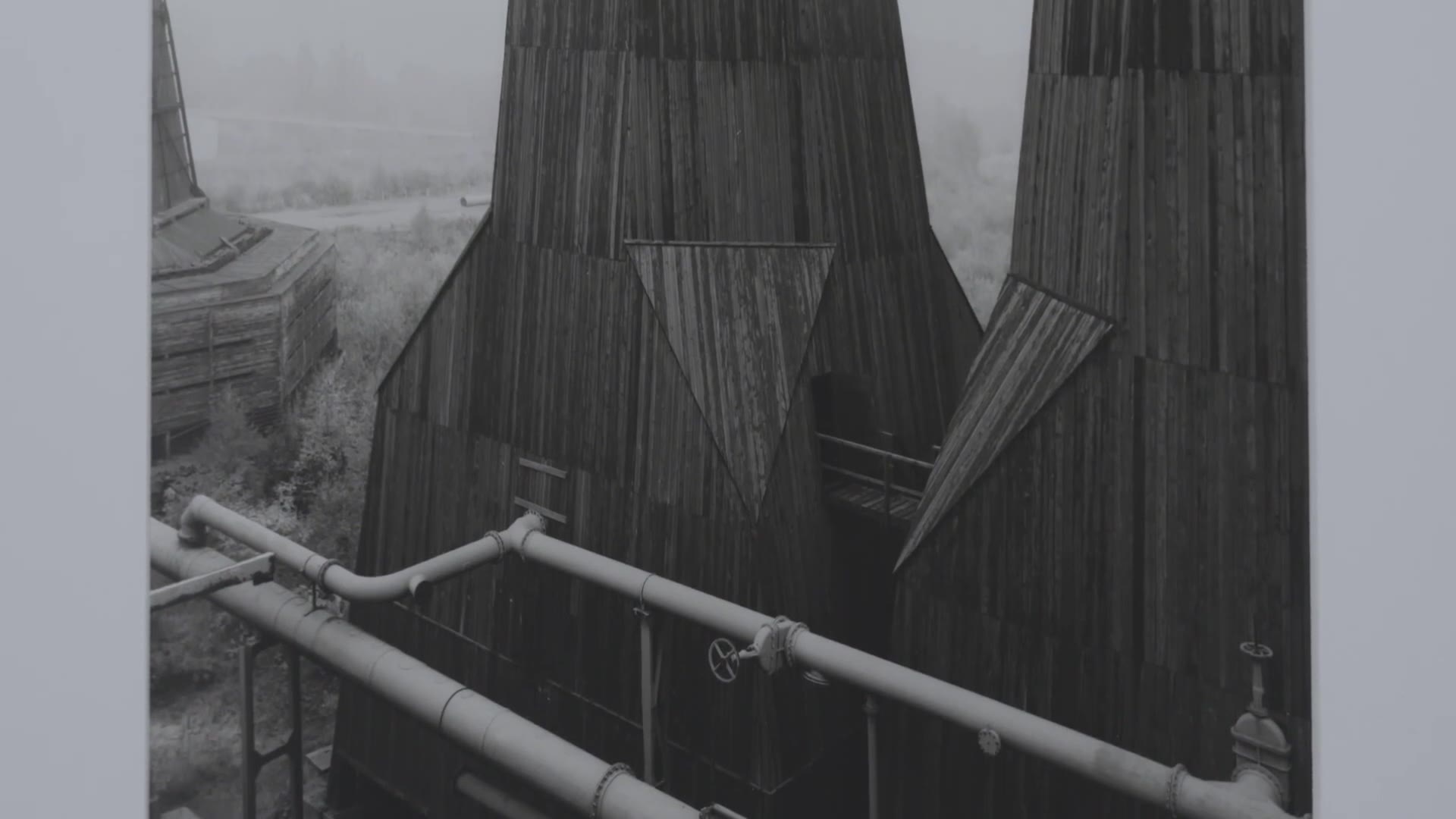 4.30 pmTour with a masterSguardi maestri: Armin LinkeArtistMAST.GalleriesTodayFree
Armin Linke (Milan, 1966), an artist who works with photography and film and questions their technologies and social role, guides visitors through the exhibition before his talk in the Auditorium.
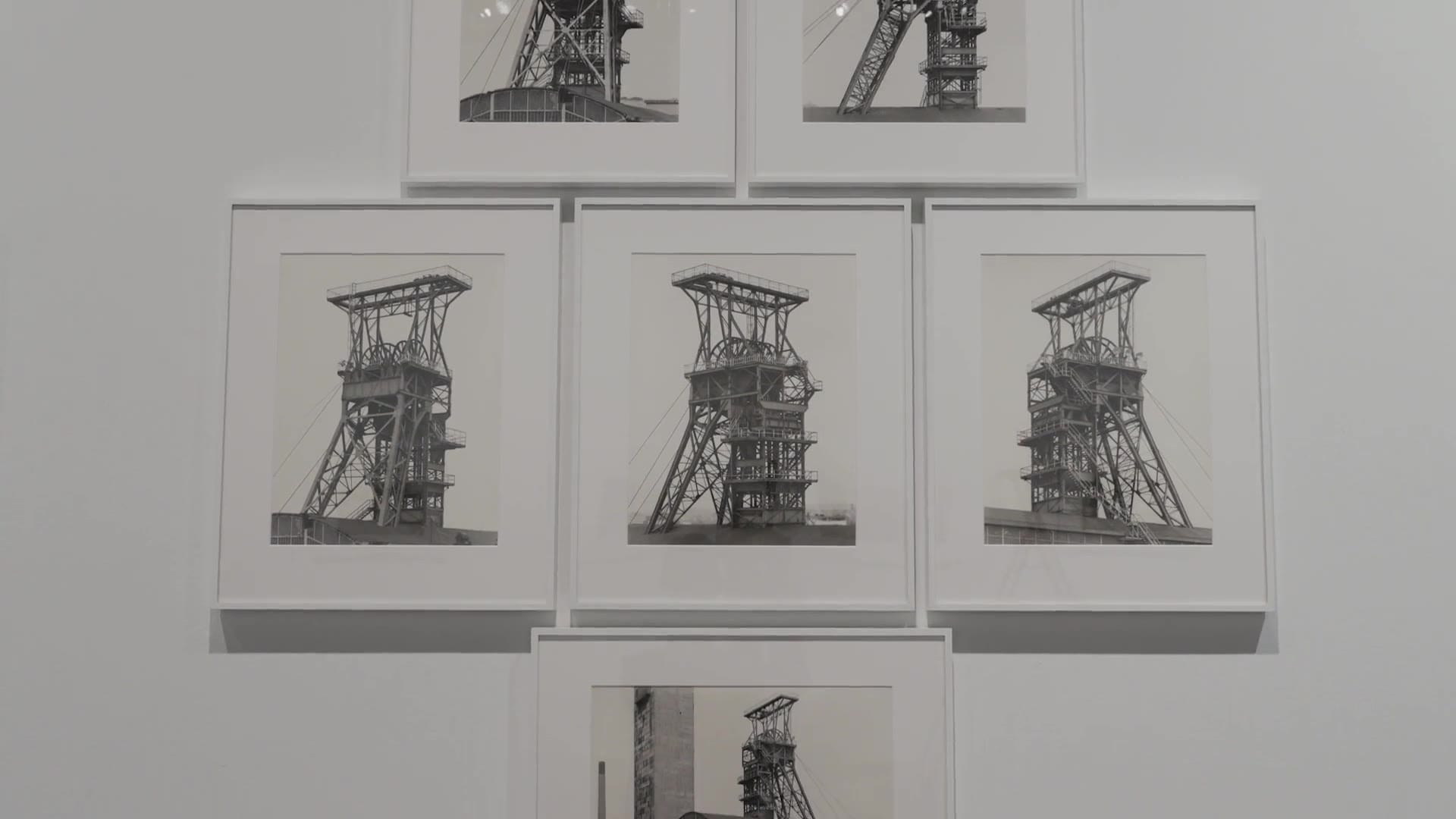 5 pmTour with a masterSguardi maestri: Carlo ValsecchiPhotographerMAST.GalleriesTodayFree
Carlo Valsecchi (Brescia, 1965) works strictly with analogue large-format cameras, exploring industrial sites and vast landscapes as places where meaning is transformed. He guides visitors through the Becher exhibition.
Tours, families, schools
- Guided tours
Free with booking, every week from 25 April to 27 September; Thursday tours ended with a drink at the MAST.Caffetteria. Dedicated tours for organised groups, associations and companies.
- Sguardi maestri
Tours led by photographers, artists, graphic designers and architects shaped by the Bechers’ teaching: Carlo Valsecchi, Armin Linke and Massimo Bartolini (dates under related events). Each ended with a drink at the MAST.Caffetteria.
- Family Tour Day
Every Sunday: a tour of the exhibition, the workshop “Factotum: fabbriche dell’impossibile” in MAST.Club, a snack and an animated film from the MAST.CineKids series in the Auditorium, with Cineteca di Bologna. For 15 children aged 6 to 11, each with an adult.
- La scuola dei Becher
For primary and secondary schools, from 5 May, Tuesday to Friday, 10 am – 12.30 pm: a tour with gallery mediators and a workshop (2 hours 30 minutes, up to 25 participants). Three programmes: Paesaggi in trasformazione, Oggettivo / Soggettivo, Scultori anonimi.